How to Choose the Right Folder Gluer for Your Business?
Choosing the right Folder Gluer for your business can feel overwhelming. According to Greg Anderson, an industry expert with over 20 years of experience, “A Folder Gluer is the backbone of efficient packaging.” This statement highlights the importance of selecting the best machine for your production needs.
Folder Gluers vary significantly in features and capabilities. Businesses must consider factors like speed, precision, and ease of use. Every choice impacts overall efficiency and cost. If a company invests in the wrong Folder Gluer, it could lead to wasted resources and frustrating delays. Precision matters. An ill-suited machine can degrade quality and harm your brand’s reputation.
Understanding the nuances of Folder Gluers is essential. Each model carries distinct advantages and disadvantages. Evaluate your production volume, types of materials, and compatibility with existing systems. Reflecting on these aspects helps in making an informed decision. It’s not just about choosing a machine; it’s about choosing a reliable partner for your packaging needs.
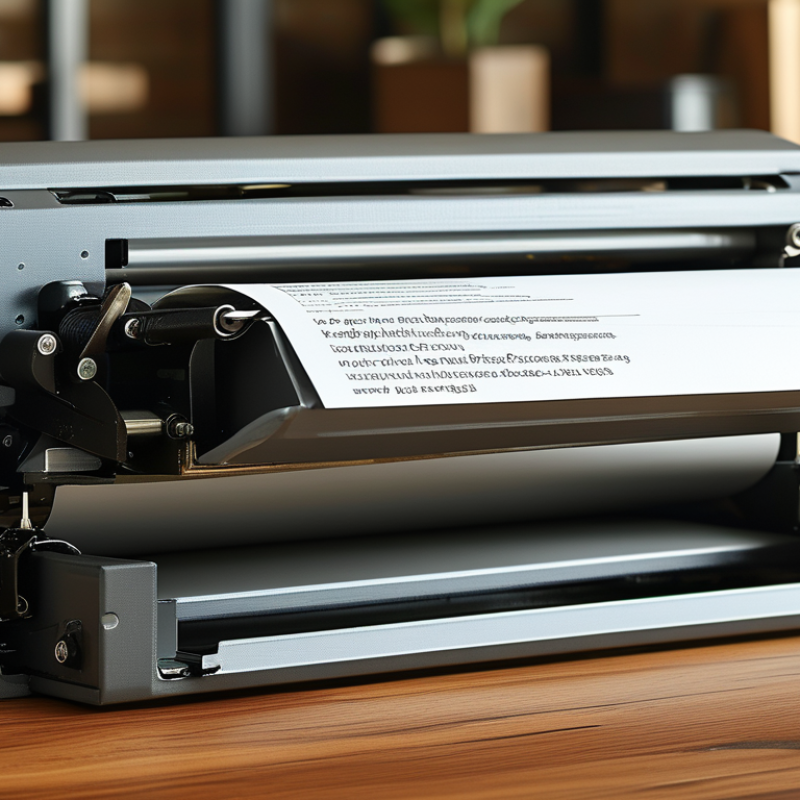
Understanding the Different Types of Folder Gluers Available in the Market
When choosing a folder gluer, understanding the types available is crucial. There are several main types that serve different functions: traditional folder gluers, inline gluers, and digital folder gluers. Traditional models are reliable for high-volume production but may struggle with complex designs. Inline systems offer speed and efficiency, suitable for shorter runs with intricate designs.
According to industry reports, businesses focused on packaging solutions for e-commerce have seen a rise in digital folder gluers. These systems can efficiently handle variable data and customized packaging. Advantages include reduced setup time and immediate adjustments in gluing patterns. However, investing in a digital folder gluer may require careful assessment of initial costs versus long-term savings.
Tips: Assess your average production volume. If the volume is high, traditional or inline gluers might be better. Consider future trends, such as personalized packaging, which digital gluers can accommodate. Analyzing your specific needs is essential; not every machine will suit every business. Choosing the right folder gluer requires weighing capabilities and cost, ensuring that the selected machine meets both current and future demands.
How to Choose the Right Folder Gluer for Your Business?
| Type of Folder Gluer | Best Suited For | Production Speed | Setup Complexity | Price Range |
| Automatic Folder Gluer | High-volume production | 3000-5000 boxes/hour | Low | $50,000 - $150,000 |
| Semi-Automatic Folder Gluer | Medium-volume production | 1500-3000 boxes/hour | Medium | $20,000 - $70,000 |
| Manual Folder Gluer | Low-volume production | 500-1500 boxes/hour | High | $5,000 - $20,000 |
| Digital Folder Gluer | Custom or short runs | 1000-2500 boxes/hour | Medium | $30,000 - $100,000 |
Evaluating Production Speed: How Fast Does Your Business Need to Operate?
When choosing the right folder gluer, evaluating production speed is critical. Businesses must understand their operational needs and production targets. A gluer that runs too slowly can lead to delays and unmet orders. Conversely, a system that operates at lightning speed may lead to errors and waste. Finding the right balance is essential.
Consider your specific production requirements. Do you handle large volumes of orders with tight deadlines? If so, a high-speed folder gluer may be beneficial. Look for machines that can handle various materials, like cardboard and paperboard, effectively. An investment in speed can lead to improved efficiency.
On the flip side, it’s important to recognize potential complications. Fast machines can be complicated to operate. They may require skilled personnel for optimal performance. In some cases, high-speed operation can increase wear and tear. Evaluating these factors is essential to ensure your gluing solutions meet your business's unique needs.
Assessing the Glueing Technology: Hot Melt vs. Cold Glue Solutions
Choosing the right gluing technology for your folder gluer is crucial. The decision often boils down to hot melt and cold glue solutions. Each type has its unique characteristics and applications.
Hot melt adhesives are known for their quick bond strength. They are ideal for high-speed production environments. The instant adhesion can enhance workflow efficiency. However, they may require specialized equipment that can drive up costs. Temperature control is also vital. If the glue is too hot or too cool, it can affect performance.
Cold glue offers flexibility in application. It can be applied at lower temperatures, making it safer for various substrates. This technology often supports intricate designs that hot melts may not handle well. However, the curing time is longer, which can slow down production. Take time to assess your operational needs. Understand the trade-offs between speed and versatility.
Determining the Right Size and Capacity for Your Folder Gluer Needs
Choosing the right size and capacity for your folder gluer is crucial for operational efficiency. A suitable machine can enhance production speed and quality. According to industry reports, around 75% of packaging companies cite capacity issues as a significant bottleneck. Identifying your expected output volume is essential. If your business plans to expand, opt for a model that can accommodate future growth.
Consider the types of materials you will process. If your products vary widely in size or weight, a versatile gluer may be necessary. Data from manufacturing surveys indicate that 40% of firms face challenges in managing diverse product lines. It’s important to balance your current needs with potential increases. Sometimes, businesses hesitate to invest in larger machines, fearing overcapacity. Yet, underestimating this aspect can lead to diminished returns in peak seasons.
Monitoring your workflow can offer insights into size requirements. Track production cycles and identify peak times. Some businesses report suboptimal performance as machines struggle to keep up with demand. Adjusting machine size without compromising quality is vital. Consider consulting with industry experts for tailored advice. Their insights can clarify what specifications best meet unique business needs.
Estimating Total Cost of Ownership: Purchase Price vs. Long-term Expenses
When selecting a folder gluer, understanding total cost of ownership is crucial. Many businesses focus primarily on purchase price, but this can lead to oversights. According to a report by Smithers Pira, long-term expenses can account for up to 70% of a machine's total cost over its lifetime. These expenses include maintenance, energy consumption, and labor costs.
Consider the maintenance aspect carefully. Some machines require frequent adjustments, leading to higher repair costs. The average maintenance expense can reach up to $15,000 annually for some models. Moreover, energy usage varies significantly. A gluer that operates efficiently can reduce energy consumption by as much as 30%, directly impacting your bottom line.
Labor costs also play a significant role. Automation can lower these costs, but initial investments may be higher. An automated folder gluer can yield savings of nearly $20,000 a year in labor alone. However, moving towards automation might not be suitable for every business. Assess the workflow and available skill sets in your team before making a decision. This balanced approach may reveal areas for improvement that can truly justify the initial investment.
Estimating Total Cost of Ownership: Purchase Price vs. Long-term Expenses