How to Choose the Right Gate Valve for Your Needs?
Choosing the right Gate Valve can be challenging. Industry expert John Smith states, “Selecting the correct gate valve is crucial for system efficiency.” Gate valves are essential for controlling flow in pipes. The quality of the gate valve directly affects performance.
When considering a gate valve, think about the application. Is it for water, gas, or chemicals? The environment matters too. Different materials withstand varying pressures and temperatures. A wrong choice can lead to leaks or failures, causing costly downtime.
It’s easy to overlook small details when selecting a gate valve. Dimensions and pressure ratings should align with system requirements. Even minor mistakes can result in significant problems later. Always prioritize reliability and functionality in your decision. A little extra thought here can save big issues down the line.
Understanding Gate Valve Types and Their Applications
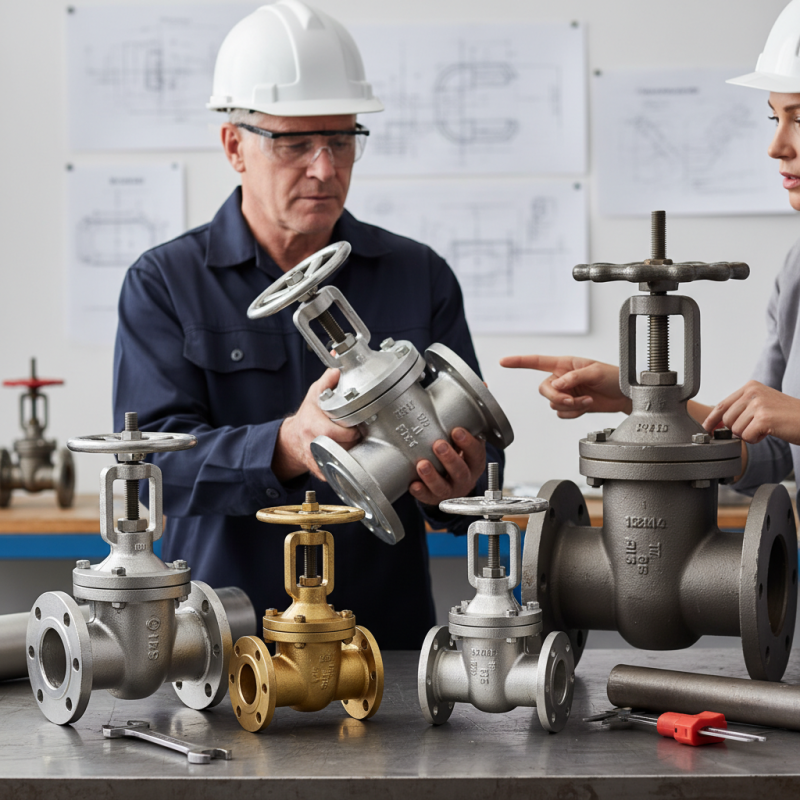
When selecting a gate valve, understanding the types and applications is crucial. Gate valves generally fall into two categories: rising stem and non-rising stem. Rising stem types are ideal for above-ground applications where visibility is necessary. They provide clear indication of valve position, making operations straightforward. Non-rising stem valves, on the other hand, are suitable for areas with space limitations, as they operate without extending the stem above the valve body.
Here are some tips:
- Always consider the media you’ll handle. Different materials are compatible with various fluids.
- Assess the pressure and temperature range in your application. Choosing a valve rated for these conditions is essential.
- Installation space matters. Measure carefully to avoid issues later.
Gate valves excel in on/off service rather than throttling. They can create flow restrictions if partially opened. Pay attention to how often you’ll need to operate the valve. Frequent adjustments may wear the components faster. Knowing your usage frequency helps in making a better choice. Innovatively evaluating these elements will lead to a more effective decision.
Key Specifications: Pressure Ratings and Temperature Limits
When selecting a gate valve, understanding pressure ratings and temperature limits is crucial. Pressure ratings indicate how much pressure a valve can withstand without failure. It's vital to match the valve's rating to your application. For instance, a valve used in high-pressure systems needs a higher rating than those in low-pressure systems. If mismatched, it can lead to leaks or total failure.
Temperature limits are equally important. Different materials respond differently to heat. A valve may function well at room temperature but fail at high temperatures. Knowing the operating temperature range helps prevent problems. Ensure the chosen valve can handle not just the current conditions but also potential extremes. This foresight requires careful consideration.
Many overlook these specifications, focusing instead on appearance or initial cost. However, this can lead to regret later. Investing time in understanding both pressure ratings and temperature limits pays off. It prevents costly repairs and ensures safe operations. You must reflect on your selection process. Are you prioritizing the right factors?
How to Choose the Right Gate Valve for Your Needs? - Key Specifications: Pressure Ratings and Temperature Limits
| Valve Size (inches) | Pressure Rating (psi) | Temperature Limit (°F) | Material |
| 2 | 150 | 200 | Cast Iron |
| 3 | 300 | 250 | Carbon Steel |
| 4 | 600 | 300 | Stainless Steel |
| 6 | 900 | 400 | Alloy Steel |
| 8 | 1500 | 450 | Ductile Iron |
Material Selection: Choosing Between Metal, Plastic, and Composite Valves
When selecting a gate valve, the material is crucial. Metal valves are robust and suited for high-pressure applications. They resist high temperatures and harsh environments. However, they can be prone to corrosion if not treated properly. Regular maintenance is necessary to prolong their lifespan.
Plastic valves are lightweight and resistant to corrosion. They are ideal for chemical applications. Their affordability makes them attractive for less demanding situations. Yet, plastic valves may not withstand extreme temperatures or pressures. Over time, they can become brittle, leading to potential failures.
Composite valves combine the benefits of both materials. They are durable and resistant to many harsh chemicals. Their design often minimizes the drawbacks of both metals and plastics. However, they can be expensive and may require special handling during installation. Choosing the right material depends on your specific requirements and environment. Careful consideration is essential to avoid future issues.
Flow Characteristics: Cv Values and Their Impact on Performance
When selecting a gate valve, understanding Cv values is essential. Cv, or flow coefficient, measures how easily fluid flows through the valve. A higher Cv indicates a greater flow capacity. For instance, a valve with a Cv of 50 allows more fluid than one with a Cv of 20. Choosing the right Cv impacts your system's performance significantly.
Different applications require various Cv values. For low-pressure systems, a lower Cv might suffice. However, in high-demand environments, a Cv that is higher is necessary. Many overlook this detail. They might choose a valve without fully considering how it affects flow rate. This could lead to underperformance or inefficiency.
It's also critical to think about the medium being controlled. Water behaves differently compared to thick oils or gas. Your valve needs to accommodate these fluid characteristics. Ignoring that can result in increased wear and reduced lifespan.
Once the valve is in place, modifying it for proper flow can be a challenge. Make sure your choice aligns with your specific requirements.
Installation and Maintenance Best Practices for Longevity
When installing a gate valve, choose a suitable location. Ensure it's accessible for maintenance. A cramped area can lead to difficulties later on. Pay attention to the piping alignment. Misalignment can cause leaks or damage. Always use the right tools during installation to avoid any mishaps.
Regular maintenance is crucial for the longevity of gate valves. Schedule inspections every few months. Check for leaks, which might indicate wear. Look out for rust or corrosion on the valve body. These signs can't be ignored. Lubrication is essential, but not overdoing it is equally important. Too much lubricant can attract dirt and worsen its condition.
Unexpected issues can arise, even with proper care. Be alert for unusual noises or pressure changes in the system. It's easy to overlook small details, but they can lead to bigger problems later. If something feels off, trust your instincts. Address it before it escalates. Keep a maintenance log. Tracking your efforts gives insight into potential issues. This proactive approach might save significant expenses in the future.