How to Choose the Right Plastic Injection Mold for Your Project?
Choosing the right Plastic Injection Mold is crucial for any manufacturing project. A well-designed mold can significantly impact production efficiency. It reduces waste and ensures the final product meets quality standards.
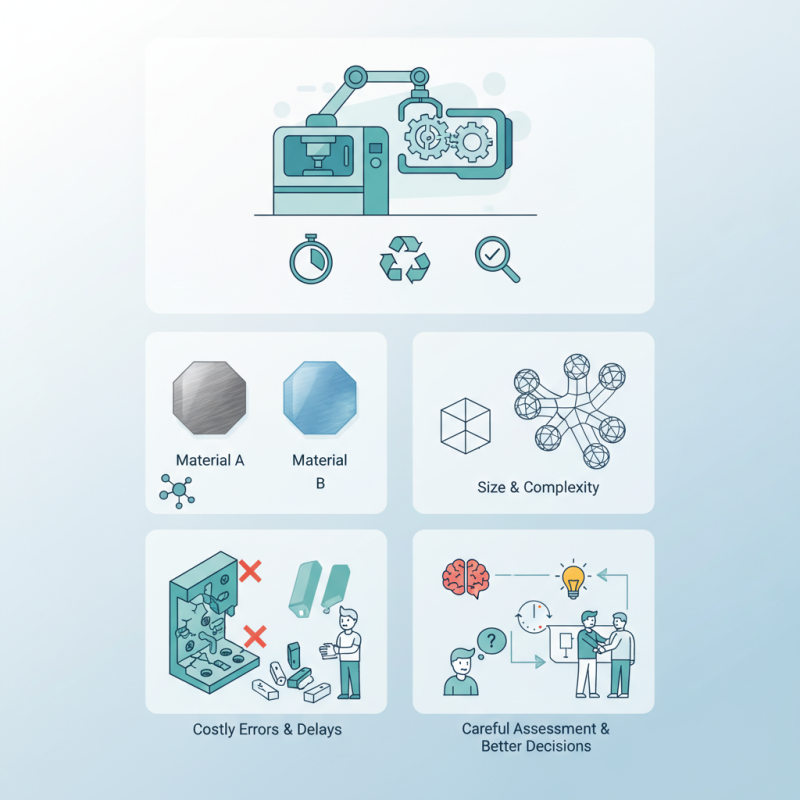
When selecting a Plastic Injection Mold, consider the material. Different materials can affect durability and final appearance. The size and complexity of the part also play a significant role. Understanding these factors can save time and resources.
However, the process isn't flawless. Mistakes in design choices can lead to costly errors. Sometimes, manufacturers overlook essential details, leading to delays. A careful assessment is needed to avoid these pitfalls. Reflecting on past experiences can guide you in making better decisions.
Understanding the Basics of Plastic Injection Molding
Plastic injection molding is a popular manufacturing process. It allows for the creation of complex shapes. Many industries rely on it. Understanding the basics can help in your project decisions.
One essential aspect is the mold design. Think about the part’s geometry. A well-designed mold reduces production time. It can also minimize defects. Pay attention to the material selection for the mold. Different plastics react differently during the process.
Tips: Choose a mold that matches your production volume. If you need a large quantity, consider a more durable mold. For smaller batches, a less expensive option may suffice. Regularly review your design for potential issues. Mistakes early on can lead to costly changes later. Re-evaluate your choices as your project develops.
How to Choose the Right Plastic Injection Mold for Your Project?
| Mold Type | Material Used | Cycle Time (seconds) | Ideal Applications | Cost Estimate ($) |
| Single Cavity Mold | Aluminum | 30 | Prototypes, Small Runs | 3,000 - 5,000 |
| Multi Cavity Mold | Steel | 20 | High-Volume Production | 10,000 - 15,000 |
| Family Mold | P20 Steel | 25 | Variety of Products | 8,000 - 12,000 |
| Hot Runner Mold | Stainless Steel | 15 | Complex Parts | 15,000 - 25,000 |
Identifying Project Requirements for Mold Selection
When selecting a plastic injection mold, it’s essential to identify your project requirements carefully. Consider the type of plastic you want to use and its properties. Different plastics behave differently during the injection process. Knowing whether you need flexibility, durability, or heat resistance can shape your decisions.
Another important aspect is the mold design. Think about the complexity of your part. Simple shapes require basic molds, while intricate designs may need advanced tooling. Reflect on your budget, too. More complex molds can be costly, and if your project lacks clarity, costs can spiral. Sometimes, it’s better to start with a basic mold and revise later if needed.
Equipment and manufacturing capabilities also play a role. Ensure that your chosen supplier can handle your specific requirements. If there’s a mismatch, it can lead to delays or failed parts. Finally, don't forget to account for production volume. High volume may justify a more expensive, durable mold, while low volume can use a simpler option. These reflections can help refine your choices and lead to better project outcomes.
Evaluating Material Choices for Your Injection Mold
Selecting the right material for your injection mold is crucial. It influences durability, product quality, and production cost. A study by the Society of Plastics Engineers indicates that around 40% of injection molding problems stem from poor material selection. Understanding the characteristics of different materials can help mitigate these issues.
Common choices for injection molds include steel and aluminum. Steel molds typically last longer, with a lifespan averaging 1 million cycles. However, they are often more expensive and take longer to machine. On the other hand, aluminum molds, although cheaper and faster to produce, may only achieve 100,000 cycles before wear. This distinction emphasizes the need for careful consideration based on project demands.
Material properties also play a significant role. For example, high-temperature plastic requires specific grades that can withstand heat without deforming. A significant percentage of defects arise from using mismatched materials. Each project has unique requirements, and this needs reflection before choosing a mold material. If the wrong material is selected, production delays and increased costs may follow. It's essential to evaluate all factors thoroughly, including application, volume, and cost-effectiveness.
Design Considerations for Effective Mold Functionality
Choosing the right plastic injection mold requires careful planning. The design heavily impacts both production efficiency and product quality. According to industry reports, mold design accounts for 40% of the overall manufacturing cost. This figure emphasizes the need for careful consideration in the design phase.
One crucial design aspect is the parting line. It should be strategically placed to minimize visible seams. Improper placement can lead to cosmetic flaws. Additionally, the cooling system is vital. A well-designed cooling layout can reduce cycle times by 25%. If the cooling is uneven, it can cause warping and degradation in quality.
Another factor to consider is the material selection for the mold itself. Different materials offer varying lifespans and resistance to wear. Steel molds may last longer but are costlier. Aluminum molds are cheaper but can warp quicker. It's a balance that requires reflection. Designers must weigh initial costs against long-term performance. Each decision affects the final product, leading to further considerations and potential design iterations.
Comparing Cost Factors and Lead Times in Mold Production
Choosing the right plastic injection mold requires careful consideration of various cost factors and lead times in the production process. Cost is often driven by mold complexity and material choices. A simple mold may have a lower initial cost, but intricate designs can provide better functionality. You might find yourself balancing upfront expenses against long-term benefits.
Lead times can be equally variable. Molds made from high-quality materials may take longer to produce, yet they offer durability and performance. It’s easy to underestimate how these factors affect project timelines. Rushed decisions can lead to increased costs or subpar quality, impacting eventual product success. Make sure to do your calculations carefully. Understanding these variables ensures you are better prepared for unexpected challenges during production.
Cost Factors and Lead Times in Plastic Injection Mold Production