What is a Double Ended Dowel Pin and How to Use It?
A Double-Ended Dowel Pin is a practical solution in woodworking and metalworking. It serves a dual purpose, with each end designed to fit into different components. This innovative fastener can enhance the strength of joints, making it a favorite among craftsmen. Its versatility allows it to be used in furniture assembly, cabinetry, and machinery alignment.
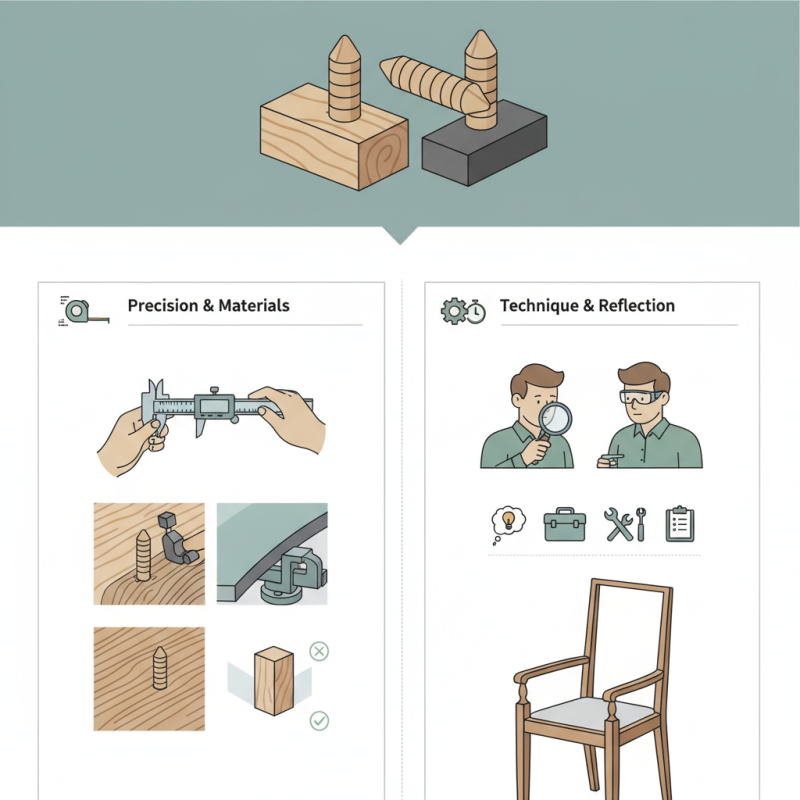
Using a Double-Ended Dowel Pin requires precision. Proper measurement is crucial for ensuring a tight fit. Misalignment could lead to wobbly joints or structural failure. It's essential to consider the materials being joined. Different materials require different approaches. For instance, hardwood may necessitate more force during installation compared to softwood.
Even experienced users must reflect on their methods. The tendency to rush can lead to mistakes. A careful approach ensures better results. Tools and techniques should be evaluated regularly. Inconsistent use of the Double-Ended Dowel Pin may affect the quality of your work. With thoughtfulness and attention to detail, this fastener can significantly improve your projects.
What is a Double Ended Dowel Pin?
A double-ended dowel pin is a versatile fastener used in woodworking and metalworking. It features a cylindrical shape with a pin at both ends. This design allows for the alignment and joining of two pieces securely. Typically made from steel, brass, or plastic, these pins come in various sizes for different applications. Their unique double-ended feature enables quick and efficient assembly.
Installation of a double-ended dowel pin is straightforward. Start by drilling matching holes in both joining pieces. The diameter of these holes should closely match the pin size for a snug fit. Insert the pin into one piece, aligning both holes before pressing the second piece onto the exposed end. It’s essential to maintain proper alignment throughout this process to ensure stability.
While the technique is relatively simple, achieving precise alignment can sometimes be challenging. Variations in hole sizes or miscalculations can lead to a loose fit. Regular practice and attention to detail can help overcome these issues. Experimenting with different materials and environments may also provide insights into improving your technique.
Key Features of Double Ended Dowel Pins
Double ended dowel pins are versatile fasteners used in various assembly applications. These pins feature a cylindrical shape with a conical tip on each end. They enhance alignment and stability in woodworking and metalworking projects. Their dual ends allow for easy insertion into pre-drilled holes, providing a secure fit.
One key feature of double ended dowel pins is their ability to accommodate various materials. They effectively join two workpieces, ensuring precise alignment. The smooth surface minimizes friction during insertion, making them user-friendly. Their size and length vary, catering to different project requirements. However, a common oversight is using them without proper hole size or depth adjustments, which can lead to misalignment.
Another important aspect is their durability. Made from materials like steel or brass, these pins resist wear and tear. Users often appreciate the added strength they bring to joints. Despite their advantages, some users may overlook the importance of surface preparation. Properly cleaning the surfaces of the workpieces can greatly enhance the effectiveness of these pins. Simple mistakes in preparation can result in weak connections, highlighting the need for careful handling.
Applications of Double Ended Dowel Pins in Joinery
Double Ended Dowel Pins play a significant role in woodworking joinery. These versatile fasteners feature a cylindrical shape with pointed ends on both sides. They allow for precise alignment and strong connections in furniture and cabinetry. According to industry reports, approximately 75% of cabinet makers use dowel pins for their ease of use and effectiveness.
In joinery applications, the double ended dowel pin is favored for its ability to create robust joints. A well-placed dowel enhances structural integrity. For example, when aligning panels, these pins can ensure that edges meet seamlessly. Data from woodworking surveys highlights that 60% of craftsmen prefer using dowel pins over traditional screws due to reduced risk of splitting wood. This method not only maintains aesthetic appeal but also promotes durability.
Tip: When installing dowel pins, use a drill press for accuracy. Misalignment can lead to failure in the joint.
The process requires careful measurement and placement. A common mistake is underestimating the necessary depth for dowel holes. The depth should be consistent for a strong connection.
Tip: Practice with scrap wood before final assembly. It helps you gauge the correct hole depth and avoids costly errors.
Step-by-Step Guide to Using Double Ended Dowel Pins
Double ended dowel pins are versatile tools used primarily in woodworking and metalworking. They feature a cylindrical shape with a pointed end on both sides. These pins help align workpieces during assembly. They can be particularly useful when joining two parts that require precise alignment. This ensures a strong bond and accurate fit.
Using double ended dowel pins is straightforward. Begin by marking the positions for the dowel holes on both pieces. Ensure the alignment is correct. Drill holes at the marked points, keeping them straight. Insert the dowel pins into one of the pieces. Apply a small amount of wood glue for added strength, then align the second piece. Press them together carefully, ensuring the pins engage properly. Check for any misalignment. If necessary, adjust the pieces before the glue sets.
It’s important to consider the dimensions carefully. An oversized hole or pin can lead to a loose fit. Conversely, a pin that is too tight may split the wood. Practice is key to achieving the right balance. Take the time to refine your technique. Each project can teach you something new about using dowel pins effectively.
What is a Double Ended Dowel Pin and How to Use It?
| Feature | Description | Usage | Material Options |
| Shape | Cylindrical with tapered ends | Align two components in various applications | Steel, stainless steel, plastic |
| Diameter | Usually ranges from 4mm to 20mm | Select based on hole size in components | Aluminum, brass |
| Length | Typically between 10mm and 100mm | Cut to fit based on assembly requirements | Nylon, composite materials |
| Applications | Furniture assembly, woodworking, machinery alignment | Hold pieces together securely | Variety of materials depending on environment |
Maintenance and Care Tips for Double Ended Dowel Pins
Double ended dowel pins are small yet essential tools in woodworking and construction. Proper maintenance ensures their longevity and effectiveness. Regularly inspect the pins for wear and damage. Look for any signs of bending or rust. Using a clean, dry cloth, wipe them to prevent moisture buildup. It's crucial to store them in a dry environment to avoid corrosion.
When using double ended dowel pins, alignment is key. Ensure the holes are clean and properly sized. If not, the dowel can fit loosely or become stuck. Over time, the force of repeated use can cause slight deformation. When this happens, placing the pin in a vice and gently tapping it back into shape is often effective. However, improper handling could lead to further damage, so be cautious. Adjustments might require practice, reflecting on each attempt can enhance your skill.