Why You Need a Sawdust Vacuum System for Your Workshop?
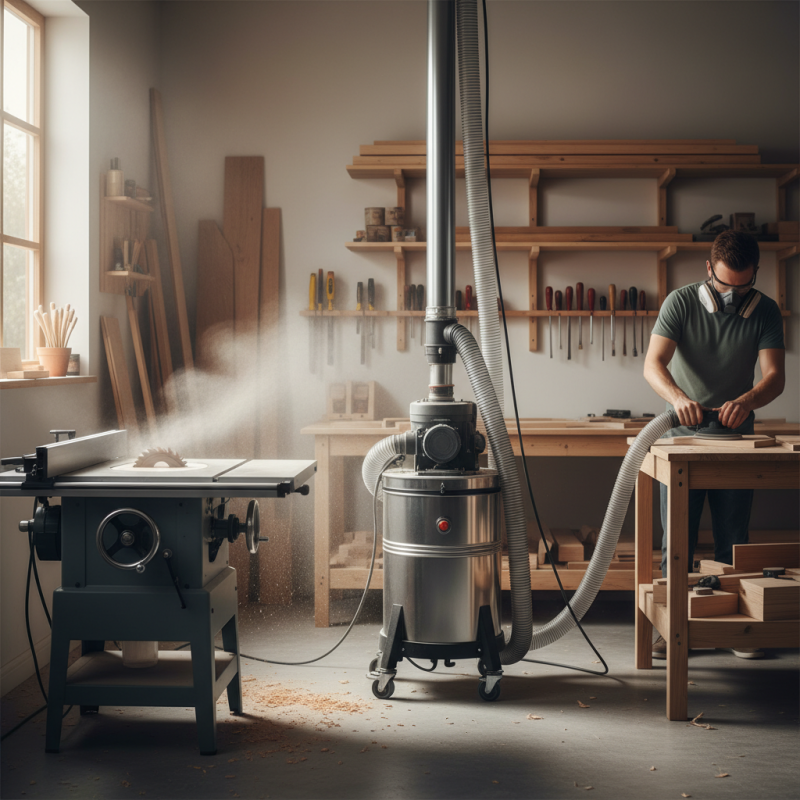
Every woodworker knows the mess created by sawdust. It can cloud your workspace and impact your projects. The importance of an efficient Sawdust Vacuum System cannot be overstated. A proper vacuum system helps maintain a clean workshop. This not only enhances your productivity but also ensures safety.
Dust particles can lead to respiratory issues. With a reliable sawdust vacuum, you minimize these risks. It captures fine particles that accumulate quickly. Moreover, a tidy workspace fuels creativity. You can focus on your craft rather than cleaning up constantly.
Some may think a vacuum is optional, but that’s a common misconception. Many struggle with inadequate cleaning methods or tools. Investing in a quality Sawdust Vacuum System can transform your experience. It’s not just about cleanliness; it’s about professionalism and health. A little reflection reveals that neglecting this can lead to bigger problems down the road.
Benefits of a Sawdust Vacuum System for Workshop Efficiency
A sawdust vacuum system is essential for any workshop aiming for efficiency and safety. When working with wood, sawdust builds up quickly. This not only hampers visibility but also poses health risks. Fine wood particles can irritate the lungs, leading to respiratory issues. A good vacuum system captures dust at its source, keeping the air cleaner and the workspace safer.
Efficient dust collection enhances productivity. Less cleanup time means more focus on your projects. These systems often feature powerful suction and specialized filters. They can handle various materials, accommodating different woodworking tasks. However, not all systems are created equal. It's crucial to assess your specific needs to choose the right one. A poorly chosen vacuum can underperform, leaving dust scattered.
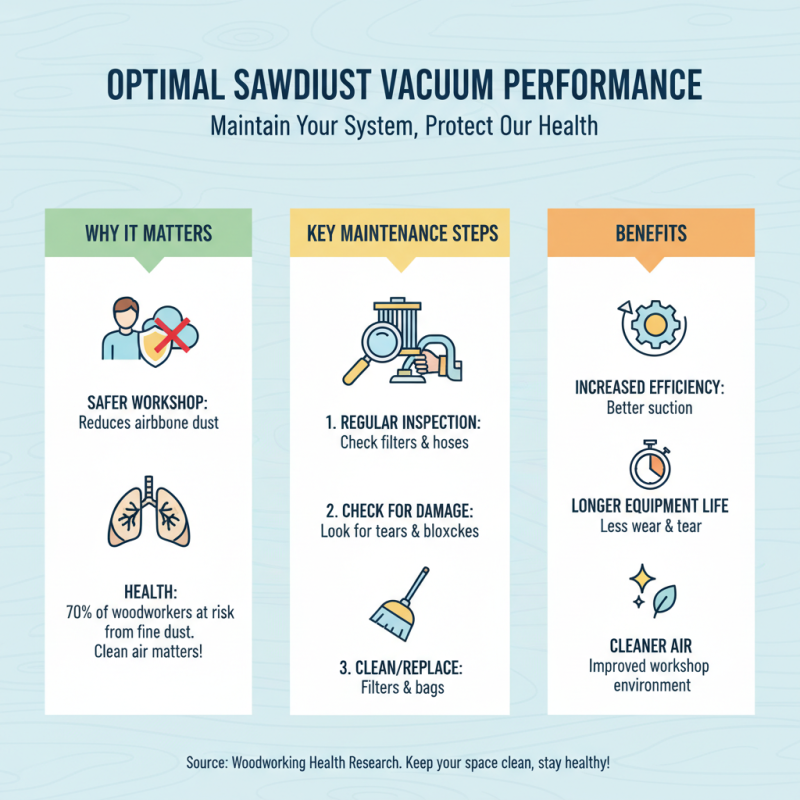
The initial investment in a vacuum system may seem high. Yet, the long-term benefits are significant. Improved air quality leads to fewer health problems, potentially reducing medical costs. A cleaner workshop also improves morale and increases motivation. Regular maintenance is necessary but often overlooked. Neglecting filters can cause efficiency drop, making the workshop dustier again.
Understanding the Different Types of Sawdust Vacuum Systems
When it comes to maintaining a clean workshop, understanding different types of sawdust vacuum systems is crucial. These systems eliminate debris and improve air quality. From portable units to stationary systems, each type suits different needs and spaces.
Portable vacuums are ideal for small projects. They easily move wherever dust accumulates. However, they may struggle with larger debris.
Stationary systems are more robust. These systems connect directly to machinery, capturing sawdust at the source. They work well for larger workshops. But installation can be complex. You need to consider ductwork and placement. Some setups can be cumbersome; they may require adjustments over time.
Choosing the right system depends on your specific requirements. Assess your workshop size and types of tools. A well-functioning system enhances safety and efficiency. However, even the best systems need regular maintenance. Filters can clog, reducing effectiveness. It’s crucial to review your options. This will lead to an informed choice. Each workshop is unique, and what works for one might not work for another. Reflect on your needs before investing.
Key Features to Look for in a Sawdust Vacuum System
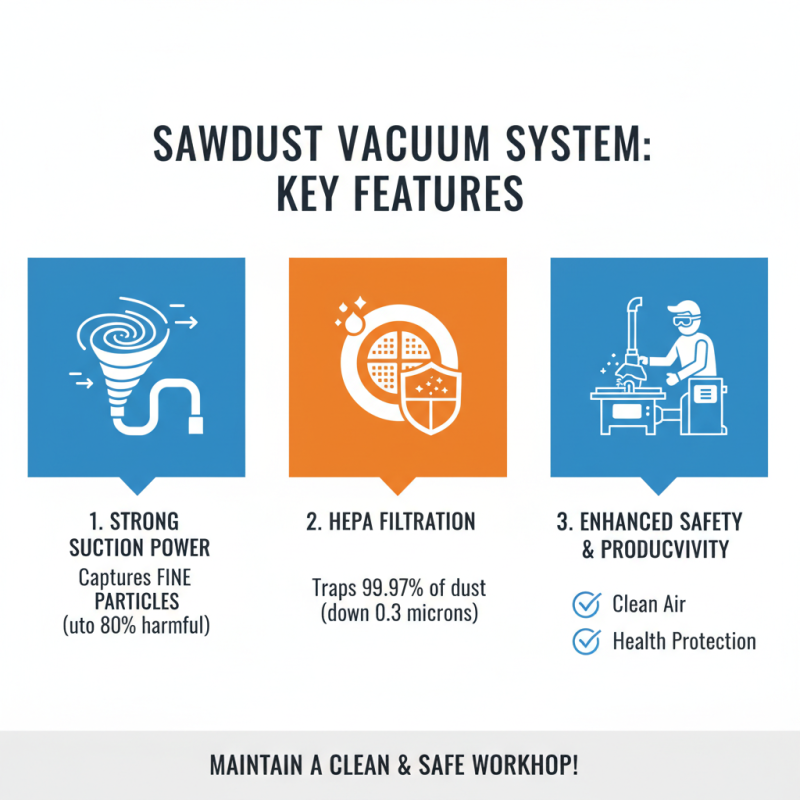
When setting up a workshop, a sawdust vacuum system is essential for maintaining a clean environment. The right features can significantly enhance your productivity and safety. Strong suction power is crucial. A system should have the ability to capture fine particles, as studies indicate that up to 80% of dust can be harmful when inhaled. Look for units with HEPA filters, which trap 99.97% of dust particles down to 0.3 microns.
Portability is another key feature to consider. A lightweight and compact vacuum allows easy maneuverability around the workshop. Measurements show that workshops can accumulate up to 300% more dust without proper cleanup systems, impacting health. Additionally, consider noise levels; quieter models improve the working environment, especially during prolonged use. Systems that operate below 85 decibels help reduce fatigue.
Another aspect to evaluate is the capacity of the dust collection bag. A larger capacity means fewer interruptions during work. Automated systems with alerts for full bags can enhance efficiency. Many users have found themselves frustrated by smaller systems that require frequent emptying, wasting valuable time. Reflect on your specific needs. Invest in a vacuum system that aligns with your workshop’s size and activities to ensure optimal performance.
Comparing Sawdust Vacuum Systems to Traditional Dust Collection Methods
When it comes to maintaining a clean and safe workshop, choosing the right dust collection method is crucial. Sawdust vacuum systems outperform traditional methods significantly. They efficiently capture fine particles that settle on surfaces and float in the air. Unlike standard dust collectors, which may allow some debris to escape, vacuum systems ensure that nearly all dust is captured.
One reason many prefer sawdust vacuum systems is their portability. These systems can be easily moved around the workshop, making them versatile for various tools. In contrast, traditional systems are often fixed installations that require more space. An efficient sawdust vacuum will keep the workshop cleaner and reduce the risk of respiratory problems caused by airborne dust.
**Tip:** Regularly check and clean filters in your vacuum system. This practice enhances suction power and prolongs the system's life.
**Tip:** Consider investing in a hose extension for hard-to-reach areas. It makes dust collection more effective and ensures no corner of your workshop is left dirty.
Although traditional collectors have been used for years, they often lack the efficiency and flexibility of modern vacuum systems. It’s essential to evaluate which option suits your needs best. Reflecting on your workshop’s layout and your dust management strategy can lead to better choices.