Top Tips for Choosing the Right Electrical Light Socket?
Choosing the right electrical light socket can seem daunting. Many homeowners often overlook this crucial aspect of lighting. The electrical light socket is the foundation of your lighting system. The wrong choice can lead to inefficiency or safety hazards.
Understanding the various types of sockets is vital. For example, screw types and bayonet fittings serve different needs. A dimmable socket can enhance ambiance. However, it is essential to match it with the right bulb type. Not every socket can handle significant wattage. This is a common mistake that can lead to overheating.
Evaluating the environment where you’ll install the socket is important. Moisture-prone areas require specific, safer options. Researching product ratings can ensure reliability. A professional electrician can provide valuable insights. Trusting expertise can prevent unforeseen issues. Your choice of electrical light socket shouldn't be rushed. A well-informed decision will enhance your lighting experience.
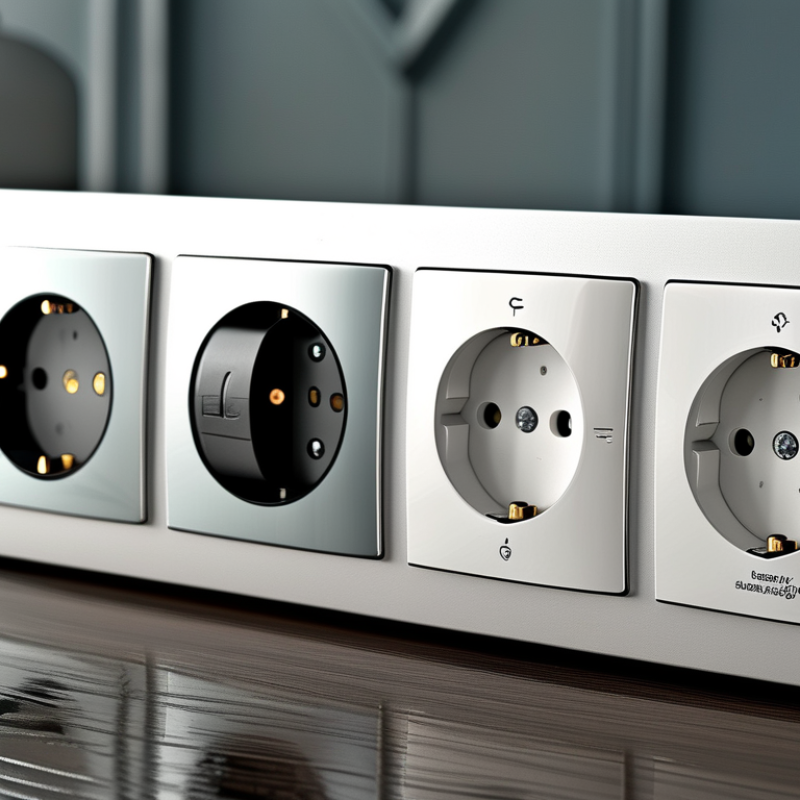
Understanding Different Types of Electrical Light Sockets
Choosing the right electrical light socket is crucial for safety and functionality. Understanding different types of sockets helps in making informed decisions. For instance, the most common types are E26, E27, and GU10. According to a report from the National Electrical Manufacturers Association, more than 80% of households use the E26 base. This socket offers compatibility with various bulbs, making it a preferred choice.
When selecting a socket, consider the wattage. Higher wattage may lead to overheating, posing a fire risk. A recent study indicates that improper wattage can contribute to 20% of electrical fires. Therefore, match socket specifications with bulb ratings. It's also essential to examine the materials used in the socket. Options like ceramic and thermoplastic can influence durability and heat resistance.
Here are a few practical considerations. Check if the socket suits your lighting needs. Think about the bulb type, whether it's LED, incandescent, or compact fluorescent. Each has different heat outputs and energy efficiencies. Additionally, consult local codes and regulations to ensure compliance with safety standards. The decision to prioritize robust and compliant options can prevent serious issues in the future.
Assessing Wattage and Voltage Requirements for Your Lighting Needs
When selecting the right light socket, understanding wattage and voltage is vital. Different lighting needs require careful consideration of these specifications. Assess how much light you need for each room. A brighter space, like a kitchen, may need higher wattage. Conversely, a cozy ambiance in a bedroom might require lower wattage.
Voltage is another critical factor. Most homes operate on standard voltage, but specialty lighting may not. Check the voltage rating on your light bulbs and fixtures. Using the wrong voltage can lead to reduced performance or even safety hazards. It's crucial to double-check these ratings before making a purchase.
Sometimes, people overlook these details and face issues later. Experiencing flickering lights or bulbs blowing out frequently can be frustrating. Take a moment to evaluate your space’s requirements carefully. Balancing wattage and voltage ensures you achieve the desired lighting effect. Properly matched systems lead to efficiency and safety. This attention to detail reflects the importance of thoughtful planning in your lighting choices.
Top Tips for Choosing the Right Electrical Light Socket
This chart illustrates the recommended wattage and voltage requirements for various common lighting options, helping you assess your lighting needs effectively.
Evaluating Material and Build Quality of Light Sockets
When selecting an electrical light socket, the material and build quality are crucial factors. High-quality materials ensure safety and longevity. Look for sockets made from durable plastics or metals that resist heat and corrosion. This choice minimizes the risk of malfunction. Cheaper options might save money upfront but can lead to problems later.
Consider the design of the socket. A well-designed socket not only looks good but also enhances functionality. Check for features like easy installation and secure fittings. This can save time and frustration during setup. It’s worth investing in a product that protects your home from electrical hazards.
Pay attention to standard certifications. Accredited sockets meet specific safety standards, ensuring reliability. Even if a product appears appealing, lack of certification can indicate potential issues. Regularly inspect sockets for wear and tear, as neglect can lead to safety concerns down the line. Be proactive about your choices to maintain a safe environment.
Top Tips for Choosing the Right Electrical Light Socket
| Socket Type | Material | Build Quality | Durability Rating | Heat Resistance |
| E26 Socket | Thermoplastic | High | 5 Years | Up to 90°C |
| B22 Socket | Bakelite | Medium | 3 Years | Up to 80°C |
| GU10 Socket | Polycarbonate | High | 4 Years | Up to 100°C |
| MR16 Socket | Ceramic | Very High | 6 Years | Up to 150°C |
| R7s Socket | Aluminum | Medium | 3 Years | Up to 70°C |
Considering Compatibility with Various Bulb Types
When selecting an electrical light socket, compatibility with various bulb types is crucial. Light bulbs come in different shapes, sizes, and bases. For example, incandescent, LED, and compact fluorescent bulbs each have unique socket requirements. If you choose a socket without considering these factors, you may find your new bulb doesn’t fit. This mismatch can lead to frustrating and costly mistakes.
Another aspect to consider is energy efficiency. Certain sockets are designed to work best with energy-saving bulbs. On the other hand, using a classic socket with a modern LED bulb might not always optimize performance. Over time, this could lead to flickering or reduced lifespan for the bulb. It’s essential to research which combinations work well together before making a purchase.
Understanding the specifications of your fixtures is equally important. Some older fixtures may not support newer bulb types. A seemingly minor oversight can cause issues down the line. Lighting not only illuminates spaces but also influences mood and aesthetics. Ensure that your choices align with your vision while remaining functional. Balancing aesthetics and practicality can seem overwhelming, but taking the time to choose carefully pays off in the long run.
Ensuring Safety Standards and Certifications for Electrical Sockets
When selecting electrical light sockets, safety standards and certifications are crucial. Many sockets lack basic safety measures, putting users at risk. Research by the National Fire Protection Association highlights that faulty electrical sockets are a leading cause of house fires. Hence, checking certifications such as UL or CE marks ensures compliance with safety regulations.
Choosing sockets with appropriate certifications is not just about compliance; it enhances reliability. Look for products confirming their ability to withstand heat and prevent short circuits. Additionally, ensure that sockets have features like overload protection. These features can significantly reduce the risk of incidents.
Reviewing product specifications helps in making an informed choice. Look for detailed safety information provided by manufacturers. This nudges buyers to reflect on their understanding of safety requirements. It is easy to overlook, yet vital to prioritizing safety.
Pay attention to installation guidelines as well. Improper installation can lead to performance issues and safety hazards. A socket that meets high safety standards paired with professional installation is a solid investment. Remember, safety should always come first when dealing with electrical components.