• Parts
  • Services
  • OEM Equipment &
    Engineered Systems
  • EPC &
    Turnkey
  • Industries
    Served

How to Choose the Best Dust Collector Filter Bags

Choosing Dust Collector Filter Bags is not a routine purchasing decision. The right bag helps capture fine particles, maintain airflow, and protect equipment from avoidable wear. The wrong fabric can blind quickly, leak dust, or raise pressure drop. Small details matter: particle size, temperature, moisture, and the shape of the dust all affect performance.

A useful principle for this guide is: “Match the filter bag to the dust, process conditions, and cleaning method—not just the collector.” This is an original editorial statement, not a verified quotation from a named industry expert. No source material was provided to confirm an expert’s identity or exact words, so attributing a quotation to a real person would be unreliable. That distinction matters.

This guide explains how to compare bag materials, finishes, and construction, then connect those choices to actual operating conditions. A dry woodworking stream may call for a different fabric than a warm process carrying abrasive mineral dust. Check the equipment maker’s specifications, inspect used bags for uneven dust cake or seam wear, and confirm that the cleaning system suits the chosen media. There is no universal best bag. Even a careful selection can miss something; real operating data should inform the final choice.
How to Choose the Best Dust Collector Filter Bags

Understanding the Role of Dust Collector Filter Bags

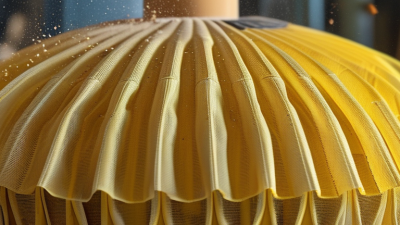
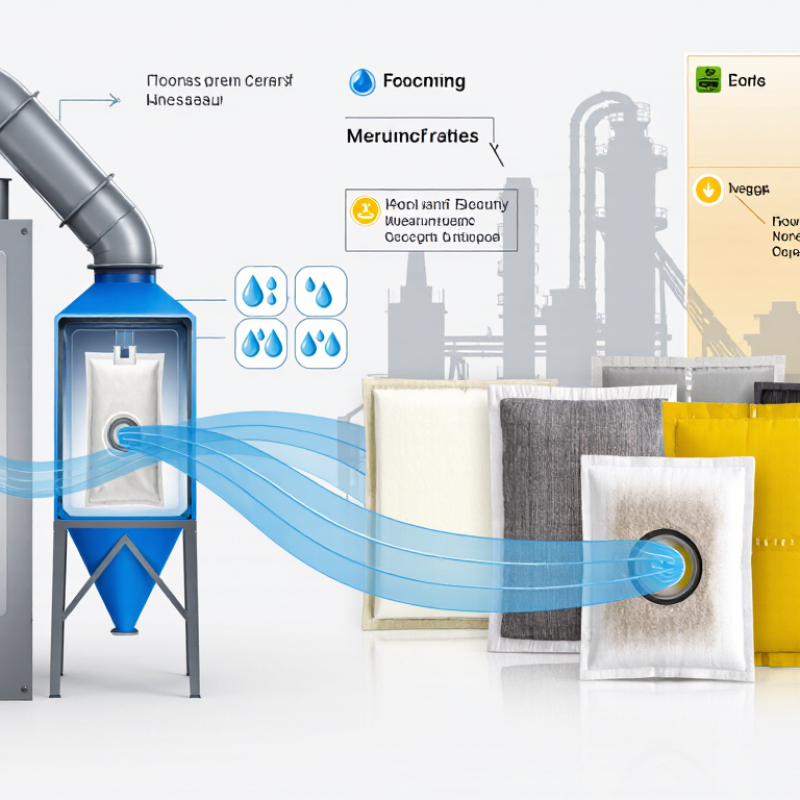
Dust collector filter bags are the working surface where airborne particles meet the collection system. As dusty air passes through the fabric, particles stay on its surface or within its fibers while cleaner air continues through. The details matter. A bag that does not suit the dust, temperature, or moisture level may clog early or let fine particles pass. For example, damp powder can cling to unsuitable media and restrict airflow. Fit also counts: gaps around a bag’s collar or seams can allow dust to bypass filtration.

In daily operation, the bags influence airflow, pressure drop, and how often the collector needs cleaning. A rising pressure reading can signal a growing dust cake, though it may also point to a blocked duct or another system issue. Look at the whole pattern, not one reading. Media construction, surface treatment, and cleaning method should match the dust and equipment. Fine, abrasive particles can wear fabric differently from soft, dry powder. Small differences show up over time. I have found that filter selection is rarely tidy on paper; actual dust behavior can surprise you. Check used bags for uneven loading, pinholes, and stiff or discolored areas, then compare those observations with operating records.

Assessing Dust Type and Operating Conditions

Dust type sets the starting point. Fine mineral dust can penetrate fabric more readily than coarse chips, while sharp particles may abrade bags and seams. Check particle size, moisture, oil content, and chemical composition before choosing a media. A damp sample matters. Sticky dust can blind a filter surface, raising resistance and shortening cleaning intervals.

Operating conditions matter just as much. Record gas temperature, humidity, airflow, and pressure drop during normal production and start-up. The U.S. EPA’s 2003 Fabric Filter fact sheet reports typical collection efficiencies of 99–99.9% and pressure drops of 5–20 inches water gauge. Treat these as reference ranges, not guarantees; dust loading, bag condition, and cleaning settings change actual performance. The NIOSH Dust Control Handbook for Industrial Minerals Mining and Processing, second edition, also emphasizes matching controls to material and process conditions. Check the dew point, too. Condensation can turn dust into a stubborn cake. But there is no universal temperature margin; gas chemistry changes the answer. I would verify the choice with a representative dust sample and operating trial. That takes time. It can still prevent an expensive mismatch.

Comparing Filter Media and Filtration Properties

Choosing filter media starts with the dust and operating conditions, not a generic micron rating. Polyester felt suits many dry, moderate-temperature applications, balancing strength, cleanability, and cost. Polypropylene can tolerate some corrosive or damp conditions, but its temperature limits are lower. Aramid and other heat-resistant fibers may suit hotter processes; check limits against actual gas temperature and chemical exposure. Small details matter. A brief temperature spike can shorten bag life.

Filtration depends on fiber structure, surface treatment, and cleaning method. A membrane layer can capture fine particles at the surface and help dust release during cleaning, though it may increase initial cost or pressure drop. A tighter bag is not always better. Compare performance at relevant particle sizes, air-to-cloth ratio, and pressure drop, rather than relying on a headline efficiency figure. Also check dust moisture and abrasiveness: sticky dust can blind a fine surface, while sharp particles may wear fabric faster. I would treat published figures as useful guides, not guarantees; actual dust behavior can be stubbornly different. Check differential pressure after installation and over time.

Matching Bag Dimensions and Construction to the Collector

A filter bag must match the collector’s dimensions, not just its general shape. Measure the bag’s length and circumference, and check the opening diameter, collar style, and attachment method. Measure twice. A small mismatch can let dust bypass the filter or make installation difficult. Compare your measurements with the collector manual, since bag dimensions may be listed differently by suppliers. Also check clearance inside the housing; an overlong bag can rub against nearby parts or fold during operation.

Construction matters just as much. Consider the dust’s particle size, temperature, moisture, and abrasiveness when choosing fabric and finish. Fine, dry dust may call for a different filtration surface than coarse particles that wear fabric quickly. If dust is damp or sticky, a suitable surface treatment can help limit buildup, but it cannot compensate for poor cleaning settings. Heavier fabric is not automatically better. It may restrict airflow if the collector is not designed for it. Inspect seams and attachment points, where leaks or wear often appear first. Keep a record of the old bag’s fit and service life; those notes can reveal a mismatch, though they are not a substitute for checking collector specifications.

Evaluating Performance, Maintenance, and Service Life

Dust collector filter bags should match the dust, operating temperature, and cleaning method—not just the collector dimensions. Fine, abrasive particles can wear fabric quickly, while moisture may cause dust to cake on the surface. Check the dust’s characteristics and the system’s operating conditions before comparing media. A low initial pressure drop can be appealing, but stable airflow and effective particle capture matter over time.

Tips: Record the pressure drop at a consistent airflow. Inspect bags for seams, abrasion, and uneven dust buildup during scheduled maintenance. Small details matter. Follow the collector manufacturer’s inspection guidance, and replace damaged bags promptly to help protect downstream equipment.

Service life depends on more than the fabric. Frequent cleaning cycles, hot spots, poor installation, and sudden process changes can shorten it. Keep a simple log of pressure readings, cleaning frequency, and replacement dates; patterns often reveal trouble earlier than a visual check. There is no universal replacement interval. Even a carefully chosen bag may perform differently once real dust enters the system, so review operating data and adjust the selection when conditions change.

How to Choose the Best Dust Collector Filter Bags - Evaluating Performance, Maintenance, and Service Life

Filter Bag Media Typical Continuous Temperature Limit* Performance Strengths Main Limitations Common Applications Maintenance Considerations Indicative Service-Life Planning Range*
Polyester Up to about 275°F (135°C) Versatile, widely used, and generally offers a good balance of filtration performance and cost in dry, moderate-temperature service. Can be affected by high-temperature exposure, hydrolysis in hot and humid conditions, and some chemical environments. Dry mineral dust, woodworking, grain handling, and many general industrial dust-collection systems. Check for moisture-related blinding, abrasion, seam damage, and changes in pressure drop. Confirm chemical and humidity compatibility. Often planned around 1–3 years, but operating conditions can make the actual interval shorter or longer.
Polypropylene Up to about 200°F (93°C) Good resistance to many acids and alkalis; useful where chemical compatibility is a priority at relatively low temperatures. Limited temperature capability and not suitable for every solvent or oxidizing chemical. Verify compatibility for the specific process. Selected chemical-processing dusts and other low-temperature applications where the dust chemistry suits the media. Inspect for chemical attack, brittle or weakened fibers, and cake buildup. Keep the operating temperature within the media’s rated range. Often planned around 1–3 years; chemical exposure and cleaning conditions strongly affect service life.
Aramid Up to about 375°F (190°C) Handles higher temperatures than common polyester and has useful strength in demanding hot-gas applications. May be vulnerable to hydrolysis and certain acidic or oxidizing conditions, particularly at elevated temperature. Hot, dry industrial processes such as selected asphalt, cement, and mineral-processing applications. Monitor for moisture or acid-related degradation, heat damage, abrasion, and rising pressure drop. Review start-up and shutdown conditions. Often planned around 2–4 years in suitable service; temperature excursions and chemistry can substantially reduce life.
PPS (polyphenylene sulfide) Up to about 375°F (190°C) Offers useful resistance to many acidic gases and performs well in some hot, chemically challenging applications. Can be damaged by strong oxidizing conditions; performance depends on gas chemistry, oxygen level, and temperature. Selected coal-fired boiler, cement, and other process-gas applications where chemical conditions are compatible. Track temperature, oxygen and moisture conditions, differential pressure, and visible signs of chemical or thermal deterioration. Often planned around 2–4 years under compatible conditions; confirm expected life with process-specific operating data.
PTFE membrane laminate Depends on the supporting fabric; PTFE can tolerate high temperatures, but the complete bag is limited by its backing material and construction. Fine surface filtration can support high collection efficiency and a relatively cleanable surface; PTFE has broad chemical resistance. Higher initial cost; the membrane can be damaged by abrasion, handling, or unsuitable cleaning. The support fabric sets the practical temperature limit. Fine or difficult-to-clean dusts and applications requiring strong surface filtration, when temperature and process chemistry are suitable. Inspect the membrane for abrasion, pinholes, or separation from the backing. Use cleaning settings recommended for the complete bag construction. Often planned around 3–5 years, but this is highly dependent on dust abrasiveness, cleaning intensity, and bag construction.
Fiberglass Some constructions are used up to about 500°F (260°C); treatment and bag design affect the limit. Suitable for certain high-temperature applications and can maintain useful strength when correctly specified and operated. Can be more vulnerable to flexing, abrasion, and handling damage than some synthetic media. Surface treatments and process chemistry matter. Selected high-temperature boiler, furnace, and process-gas dust collection systems. Minimize unnecessary flexing and inspect carefully for broken fibers, abrasion, seam damage, and deterioration of surface treatments. Often planned around 2–5 years in suitable service; thermal cycling, abrasion, and bag design can change the result.

Selection and service-life note: Temperature limits and service-life ranges are approximate planning guides, not guarantees. Actual performance depends on the complete bag construction, dust characteristics, gas chemistry, humidity, air-to-cloth ratio, cleaning method, and operating conditions. Check the filter supplier’s specifications and monitor differential pressure, emissions, and bag condition to determine when maintenance or replacement is needed.